Master Planning to Create Open Plan Learning Space at Mt Crosby School

The Sustainable Architecture master plan design phase was the first step of the procedure to create a more sustainable environment for the Mt Crosby School. The design gives a holistic view of the space and is an essential base for discussions to guarantee that the outcome will meet all of the set expectations. The design will ensure the total integration for future developments and investigations, opportunities for new projects and a catalyst for projects and grants.

The major step in this project was providing the client with a sustainable architecture master plan that will compliment the current school design to create a sustainable, warm, inspirational and social environment. We ensured this by the corporation of people and school growth, landscape, future buildings, and opportunities for solar, water solutions, rehabilitation, playgrounds and cooperation.

The Sustainable architecture master plan ensured all of the clients objectives are met to be on track with becoming carbon neutral for a sustainable future. All of the sustainable construction work will have a set of objectives that makes the construction a nature-friendly one.

MASTER PLANNING

Future planning list identified:

Amenities block
– Needs to be sited near the oval
– Could also include storage
– Needs to have drink taps
– Needs to be built to alleviate pressure on Amenities A block
– Could also have a shade functionality

Hall/ multi purpose building
– Used for PE lessons
– Visiting speakers, workshops
– Venue for meetings both in school and out of school time
– Hire out for community groups – community groups could include:
– Church
– Fitness
– Drama
– Dance
– Would need a kitchen, toilets, stage area, storage
– Associated courtyard – paved and shaded – could be used as a BBQ area
– Parking
– Paths
– Soundproofed music room
– Dedicated arts room

Extended tuckshop
– Current tuckshop too small
– Not adequate for current demand
– Teaching cooking area for children

Extended staffroom
– Room too small for existing staff
– Needs a small meeting area that can be sectioned off (via concertina doors)
– Different sink / hot water arrangement
– Private counselling room

Remodelled administration space:
– Need more office space to cater for
– Registrar / AO2 (2nd admin officer)
– Head of Curriculum (HOC) / 2nd Deputy Head (DP)
– Possible second storey, to help with storage and extra admin staff

Extended library:
– Existing library was too small
– Needs extension for more PCs and books and work areas and teaching areas

Storage space for sports equipment and furniture
– Completely inadequate space

Shade areas outside classrooms:
– Need to add in fixed shade structures outside classrooms

Parking:
– Move the buses from the service road
– Drop off area needs extension
– Front waiting area expanded for easier access
– More parking areas (this could include future parking for future multifunction hall)

Retaining walls outside classrooms:
– Currently Koppers logs used as retaining wall, these are decaying and need replacing – perhaps replace with brick and stone

Special Education facility:
– Building needs to have ramp access
– Also needs water – sink etc.
– Extended to have a specific ‘chill out area’ using natural, subdued colours and quietness

All buildings need shade – as in awnings, screens, use of natural light, reduction of fluros, better ventilation.

Gardens:
– A future vegetable patch (many children have never gardened)
– Sensory garden,
– Landscaping dry areas where the grass does not grow (Health and Safety)
– Trees to be fertilised and well mulched especially around exposed roots
– Areas protected / landscaped to discourage children from running through

Outside Eating/ Classroom area:
– Shaded tables and chairs for either eating outside of classrooms or used as outside classroom area, to be situated near the music room
– Better cover for rainy days – bags currently get wet in bag racks

Netball/Multifunctional court:
– Needs to be fenced and lit to be used by both school and community

Out of School Hours Building
– To be extended, to have greater storage facitlies,
– Needs better ventilation and is very cold in Winter.
– Admin room for organisational officer for P & C

Oval:
– To have softfall put around trees on bank with name of Mt Crosby picked out on it.
– Whole new surface of cricket area, running track and rugby area

PLANNING BY ZONE

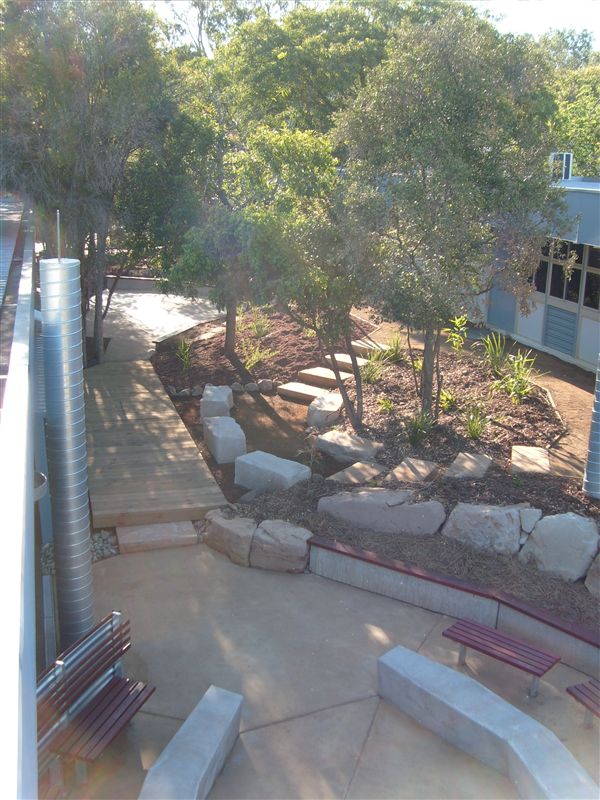
1. Zone 1 Project – Main revamp of the TB1 area
– Remove existing coppers locks
– Remove existing pavers
– Remove existing plant stock where necessary
– Earthworks
– Construct concrete colums
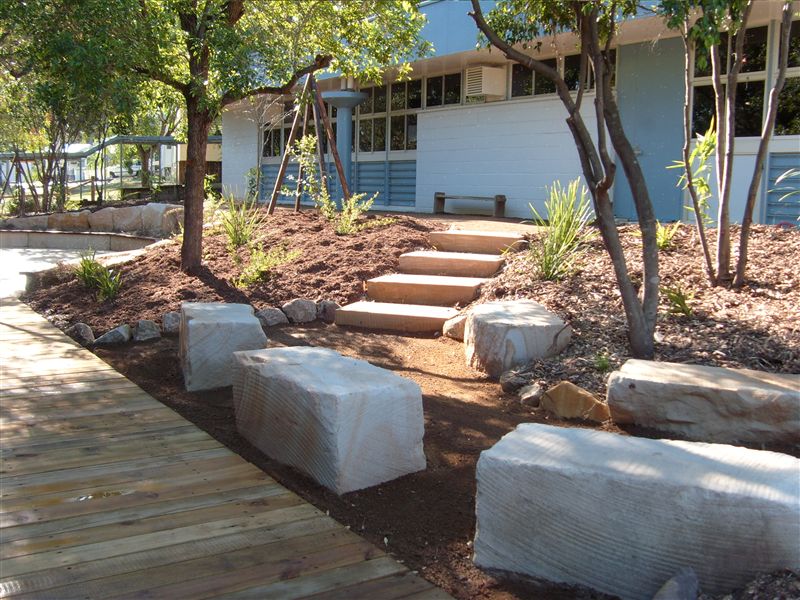
– Supply and install sandstone boulders and steps
– Reshape and relay deco for pathways with timber edges
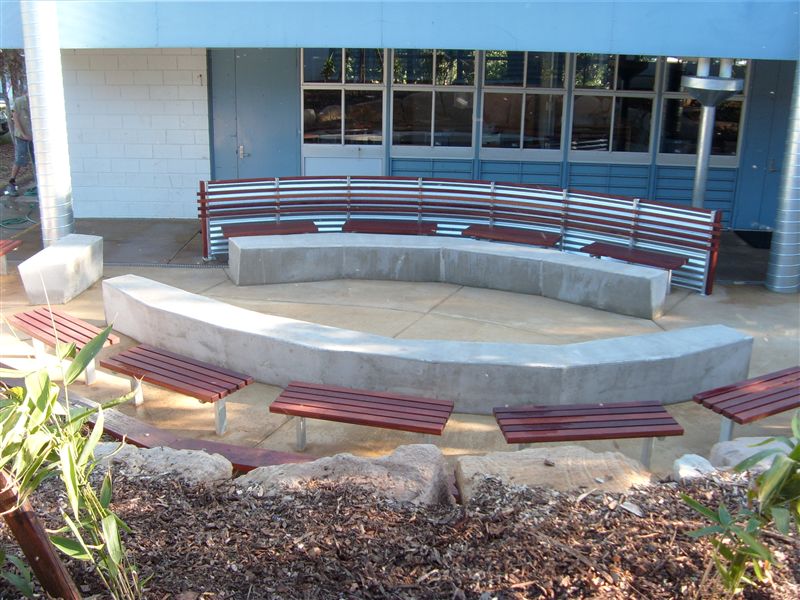
– Install concrete feature wall with incorporated timber seats
– Construct formwork for learning benches
– Construct seating to learning areas
– Construct screen walls
– Painting and oiling of new seating areas
– Construct coloured concrete surface
– Construct new timber walkway over drain
– Tidy up existing garden
– Import soil and compost mix to build up the soil profile
– Supplement planting
– Mulching

2. Zone 2 Project – Revamp of bag rack
– Remove asbestos
– Repair the frame
– Install new colourbond cladding and flashing
– Painting

3. Zone 3 Project – Revamp of outdoor learning space next to TB3
– Remove existing pavers
– Construct new seats as per drawing
– Construct new garden bed with seats under the existing tree
– Install permeable paving
– Tidy up

3. Zone 4 Project – Shade structure and solar
– Earthworks
– Construct roof structure
– Concrete colums
– Kingspan roofing panel and flashings and gutters
– Modwood battening
– Painting of beams and columns
– Solar panel for lighting including battery

4. Zone 5 Project – Tank and irrigation
– Supply and install tank
– 5000L bluescope slimline tank
– Gravity feed irrigation for the gardens

This project showed Sustainable how important master planning is when creating long term sustainability in a space. The Mt Crosby School had other projects completed previously on the school grounds which were not as fruitful, because they only offered short term solutions and did not think about a planning 5, 10, 15 or 25 years ahead. The plans put in place by Sustainable have ensured the money which the Mt Crosby School spent on upgrading their main areas will be enjoyed by staff and students in the future.
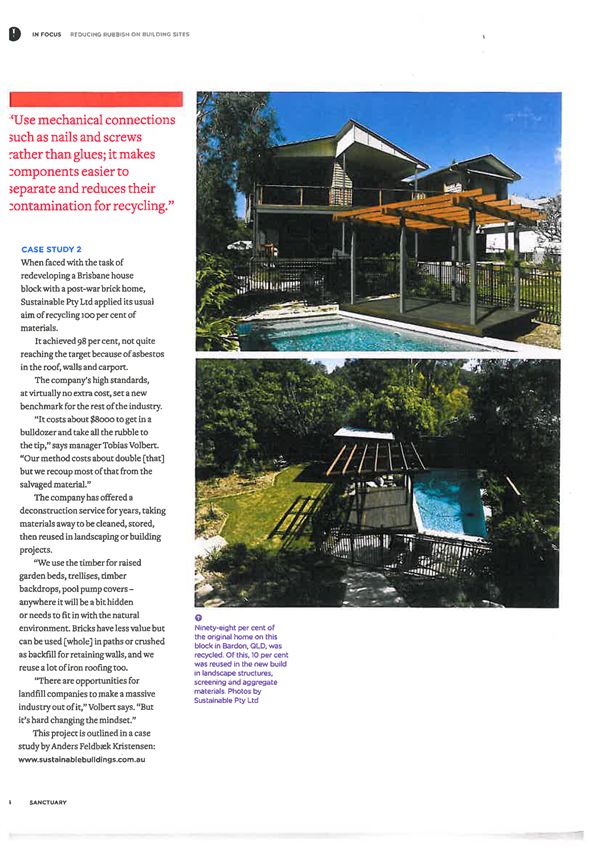
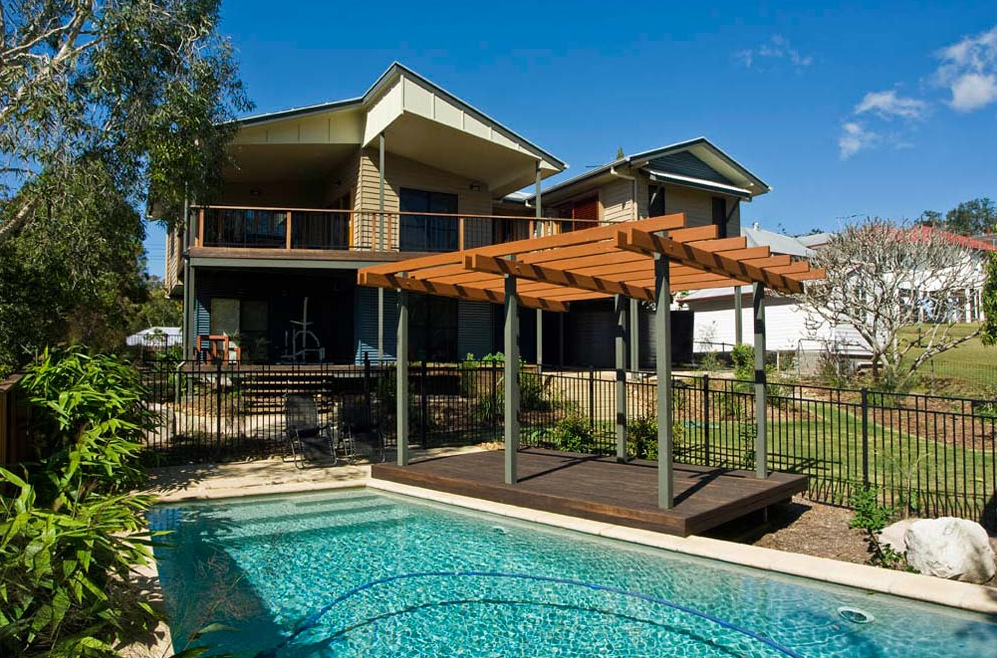
Sanctuary Magazine Case Study: Bardon

The Sustainable home at Bardon featured in an edition of the Sanctuary Magazine. It focuses on how a huge 98% of the original home was reused and recycled.

Text Translation

“Use mechanical connections such as nails and screws rather than glues; it makes components easier to separate and reduces their contamination for recycling.”

CASE STUDY 2

When faced with the task of redeveloping a Brisbane house block with a post-war brick home, Sustainable Pty Ltd. applied its usual aim of recycling 100 per cent of the materials.

It achieved 98 per cnet, not quite reaching the target because of asbestos in the roof, walls and carport. 

The company’s high standards, at virtually no extra cost, ser a new benchmark for the rest of the industry. 

“It costs about $8000 to get in a bulldozer and take all the rubble to the tip, says manager Tobias Volbert. 

“Our method costs about double [that] but we recoup most of that from the salvaged material.”

The company has offered a deconstruction service for years, taking materials away to be cleaned, stored, then reused in landscaping or building projects. 

“We use the timber for raised garden beds, trellises, timber backdrops, pool pump covers — anywhere it will be a bit hidden or needs to fit in with the natural environment. Bricks have less value but can be used [whole] in paths or crushed as backfill for retaining walls, and we reuse a lot of iron roofing too.”

“There are opportunities for landfill companies to make a massive industry out of it,” Volbert says. “But it’s hard changing the mindset.”

This project is outlined in a case study by Anders Feldback Kristensen: wwwsustainablebuildings.com.au.

Ninety-eight per cent of the original home on this block in Bardon, QLD, was recycled. Of this, 10 per cent was reused in the new build in landscape structures, screening and aggregate materials. Photos by Sustainable Pty Ltd.

Give Sustainable a call NOW on (07) 3201 1177 to talk to your highly awarded experts in sustainable home design and construction and start planning your new sustainable home today!

QWeekend Samsonvale Article

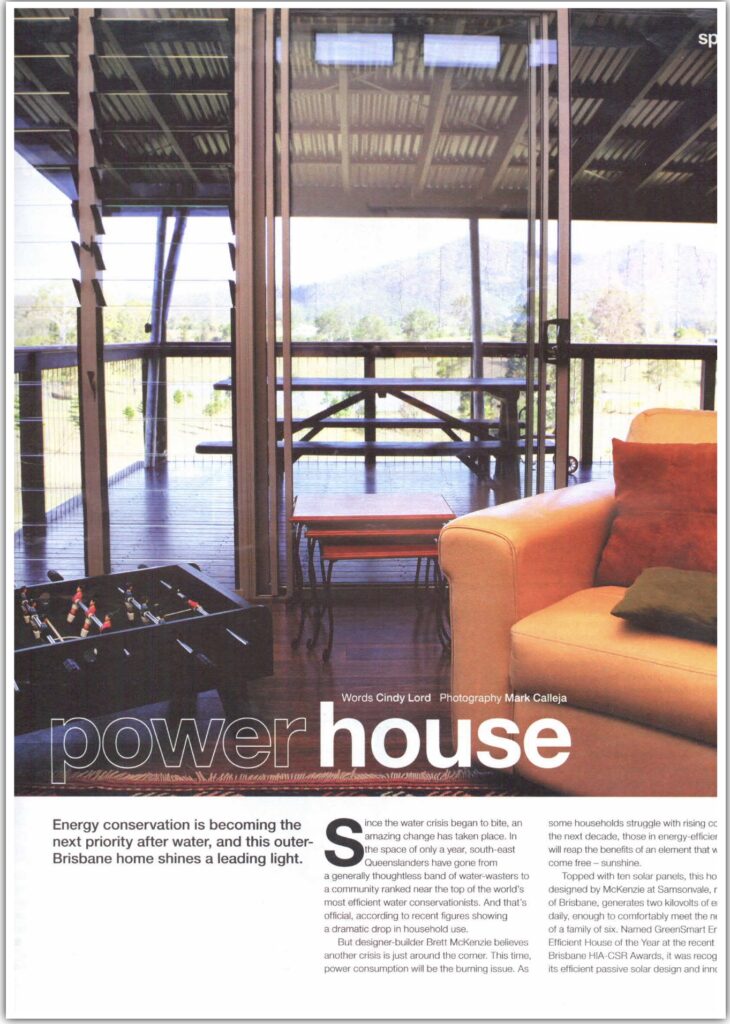
Samsonvale designed house and winner of the GreenSmart Energy Efficient House of the Year at the Brisbane HIA CSR Awards.

Text Translation

Energy conservation is becoming the next priority after water, and the outer-Brisbane home shines a leading light.

Since the water crisis began to bite, an amazing change has taken place. In the space of only a year, south-east Queenslanders have gone from a generally thoughtless band of water-wasters to a community ranked near the top of the world’s most efficient water conservationists. And that’s official, according to recent figures showing a dramatic drop in household use. 

But designer builder Brett McKenzie believes another crisis is just around the corner. This time, power consumption will be the burning issue. As some households struggle with rising costs in the next decade, those in energy efficient homes will reap the benefits of an element that will always come free — sunshine.

Topped with ten solar panels, this home designed by McKenzie at Samsonvale, north of Brisbane, generates two kilovolt of electricity daily, enough to comfortably meet the needs of a family of six. Named GreenSmart Energy Efficient House of the Year at the recent Brisbane HIA CSR Awards, it was recognised for its efficient passive design and innovation in energy saving and management ideas, including an electronic weather-monitoring system. 

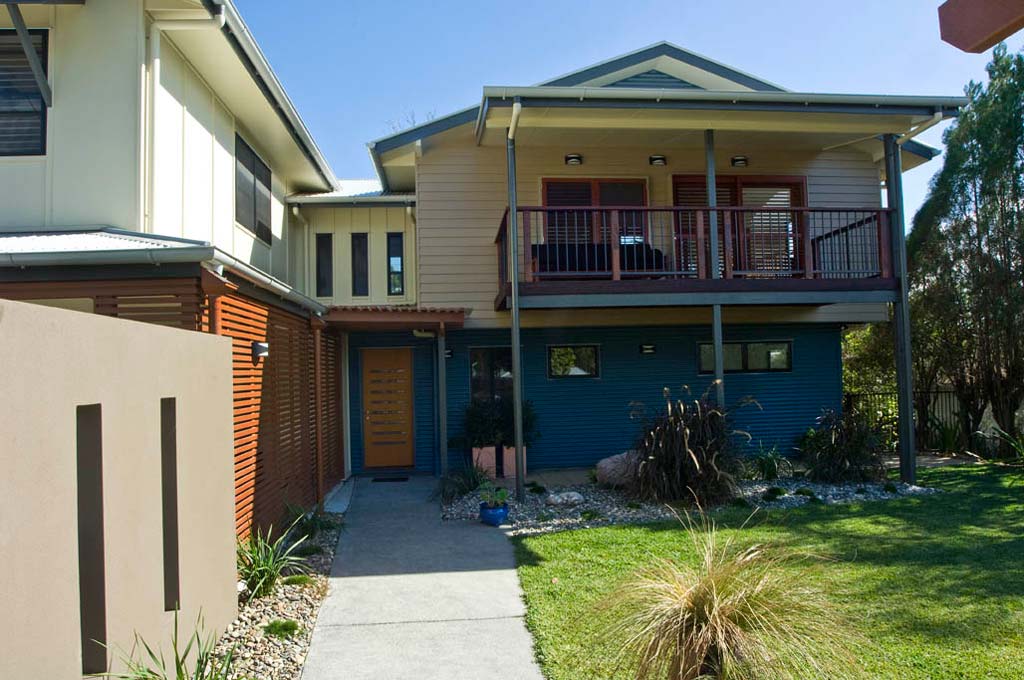
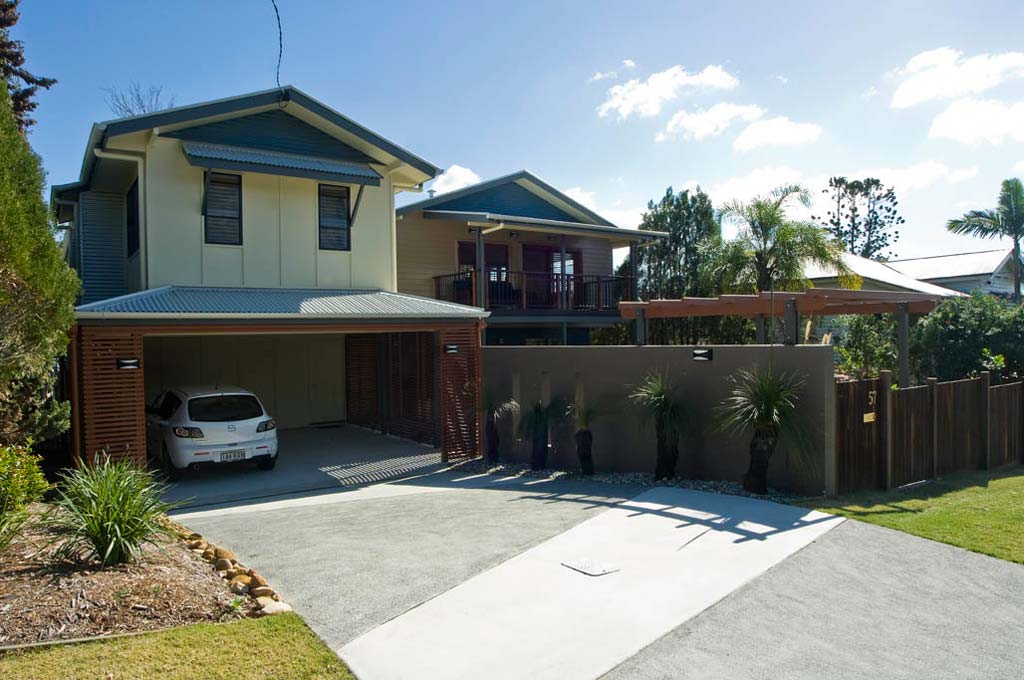
Built down a steep slope, the lightweight house sits on high poles that seem to lean into the landscape, while it takes in the views over nearby Mt Samson and Mt Glorious. “What I love about this house is that after a while it becomes invisible to you and you are just living with the view,” says co-owner Jodie Miller. “You’re drawn outside.”

McKenzie, who has been building sustainable housing for more than a decade, says energy-efficient homes could become standard practice if owners (and developers) consider energy issues before they build. Achieving the best passive solar design outcomes begins with the positioning of the structure on the site. 

Designed to make the most of the climate, this house has two pavilions set on different levels and connected by a few stairs (a carport and the original two-bedroom cottage are separate). The long face of the building is positioned precisely solar north — that is, 10.8 degrees west of magnetic north, which is the optimum orientation for the climate zone. 

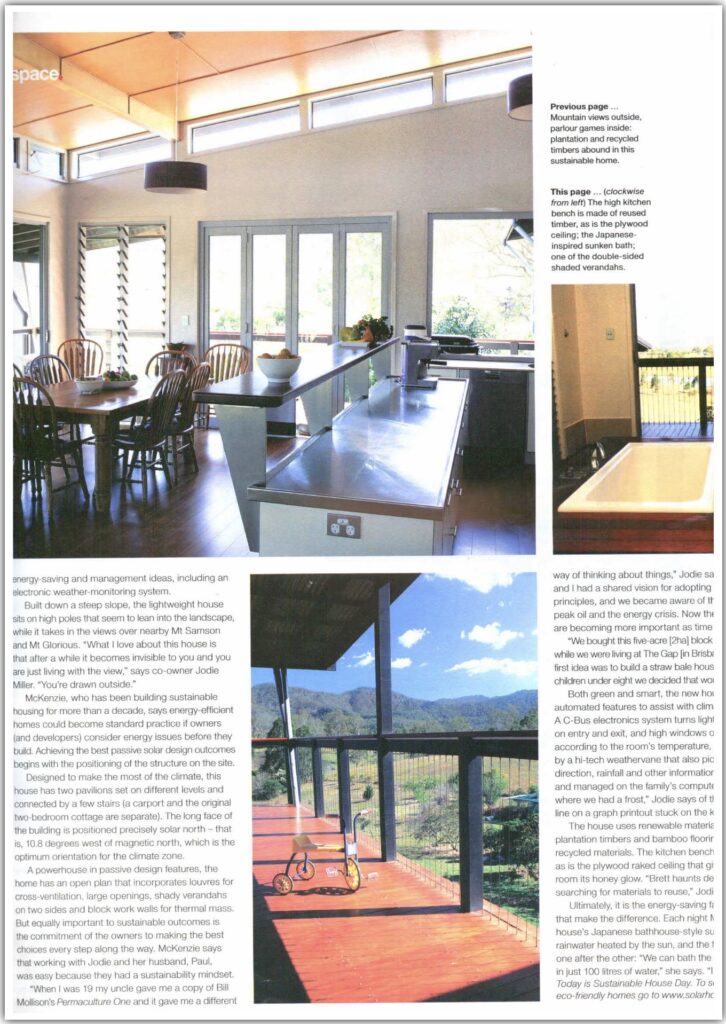
A powerhouse in passive design features, the home has an open plan that incorporates louvres for cross-ventilation, large openings, shady verandas on two sides and block work walls for thermal mass. But equally important to sustainable outcomes is the commitment of the owners to making the best choices every step along the way. McKenzie says that working with Jodie and her husband, Paul, was easy because they has a sustainability mindset. 

“When I was 19 my uncle gave me a copy of Bill Mollison’s Permaculture One and it gave me a different way of thinking about things,” Jodie said. Paul and I had a shared vision for adopting sustainable principles, and we became aware of the peak oil and the energy crisis. Now these passive notions are becoming more important as time goes on.

“We bought this five-acre [2ha] block while we were living at The Gap [in Brisbane]. Our first idea was to build a straw bale house, but with children under eight we decided that wouldn’t be ideal.”

“Both green and smart, the new home has automated features to assist with climate change. A C-Bus electronic system turns lights on and off on entry and exit, and high windows open and close according to the room’s temperature, by a hi-tech weathervane that also picks up on wind direction, rainfall and other information shown and managed on the family’s computer. 

The house uses renewable materials such as plantation timber’s and bamboo flooring from recycled materials. The kitchen bench is recycled and polished, as is the plywood raked ceiling that gives the room its honey glow. “Brett haunts developers searching for materials to reuse,” Jodi said. 

Ultimately it is the energy-saving factor of the home that makes the difference.

Give Sustainable a call NOW on (07) 3201 1177 to talk to your highly awarded experts in sustainable home design and construction and start planning your new sustainable home today!

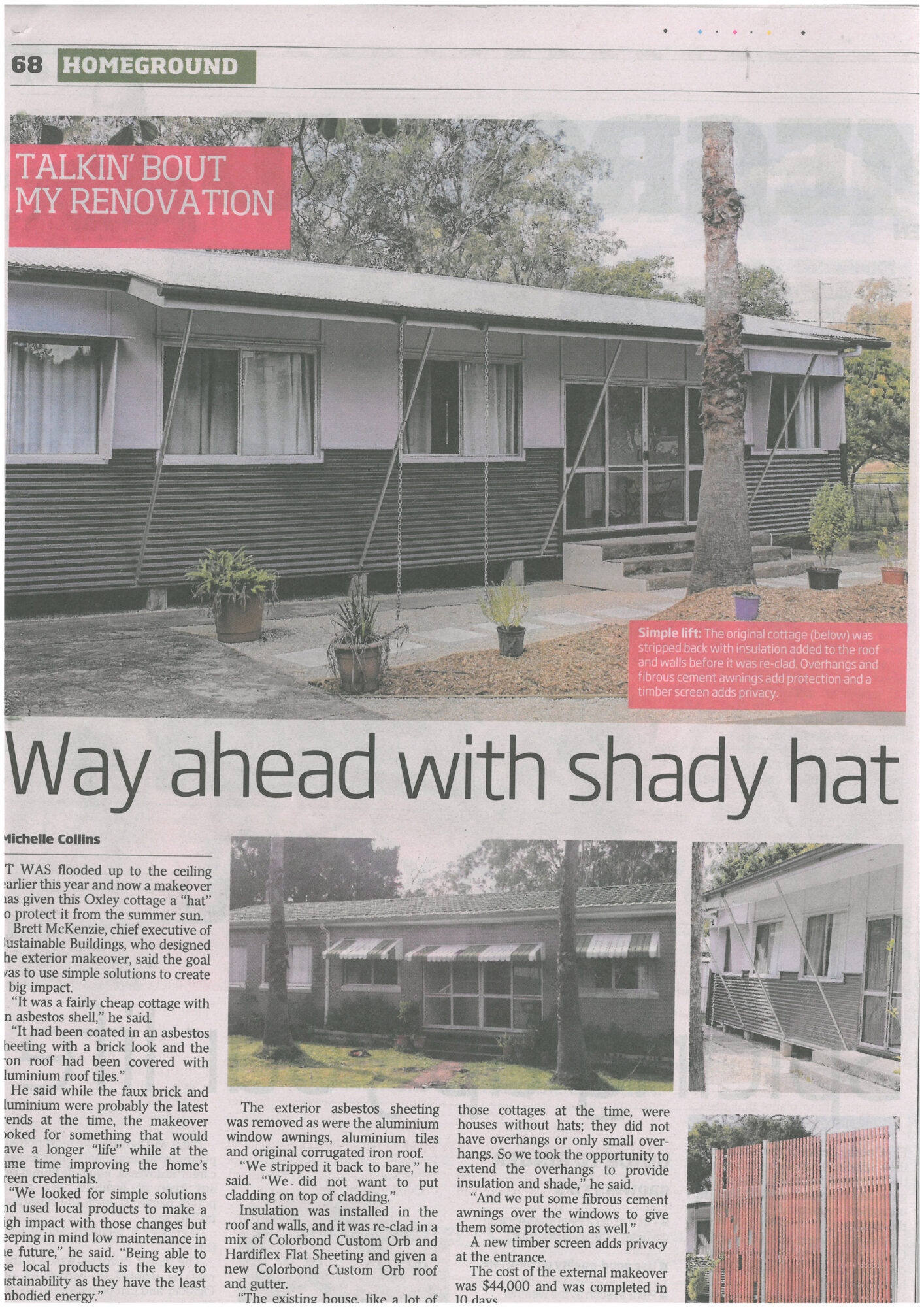
Article in The Courier Mail (6th August, 2011): Oxley Renovation

This article featured in The Courier Mail discusses the successful renovation to the Oxley cottage which was greatly affected by the early 2011 Queensland floods.

Text Translation 

Red Box (bottom right corner):

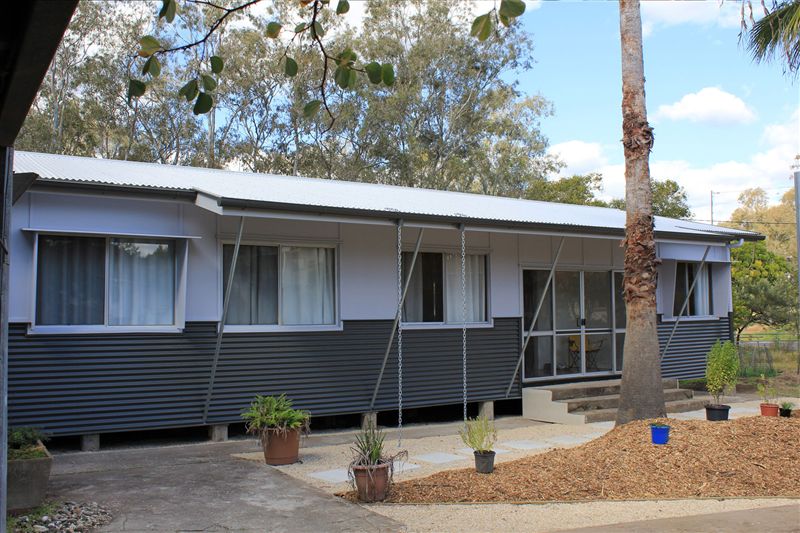
Simple life: The original cottage (below) was stripped back with insulation added to the roof and walls before it was re-clad. Overhangs and fibrous cement awnings add protection and is timber screen adds privacy.”

Body Text:

Michelle Collins

IT WAS flooded up to the ceiling earlier this year and now a makeover has given this Oxley cottage a “hat” to protect it from the summer sun. 

Brett McKenzie, chief executive of Sustainable Buildings, who designed the exterior makeover, said the goal was to use simple solutions to create a big impact.

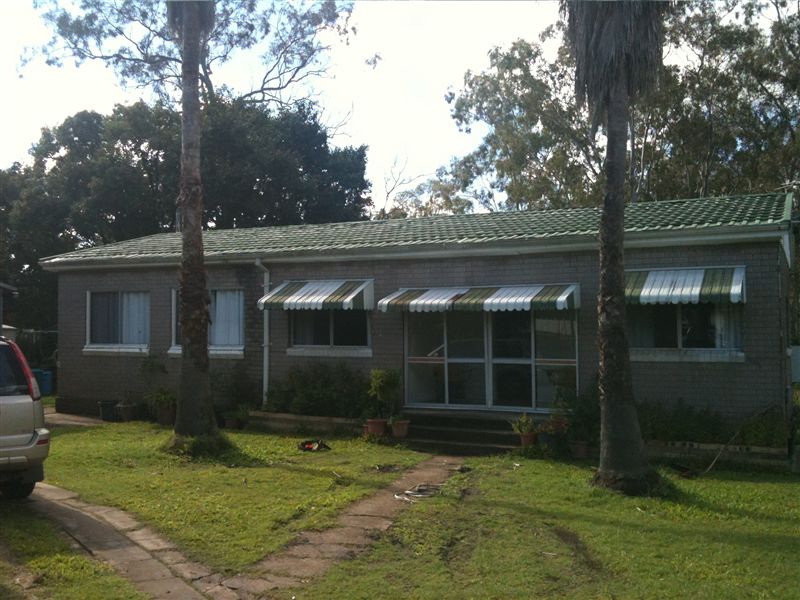
“It was a fairly cheap cottage with an asbestos shell,” he said. 

“It had been coated in an asbestos sheeting with a brick look and the iron roof had been covered with aluminium roof tiles.”

He said while the faux brick and aluminium were probably the latest trends at the time, the makeover looked for something that would have a longer “life” while at the same time improving the home’s green credentials.

“We looked for simple solutions and used local products to make a high impact with those changes but keeping in min low maintenance in the future,” he said. “Being able to use local products is the key to sustainability as they have the least embodied energy.”

The exterior asbestos sheeting was removed as were the aluminium window awnings, aluminium tiles and original corrugated iron roof.

“We stripped it back to bare,” he said. “We did not want to put cladding on top of cladding.” 

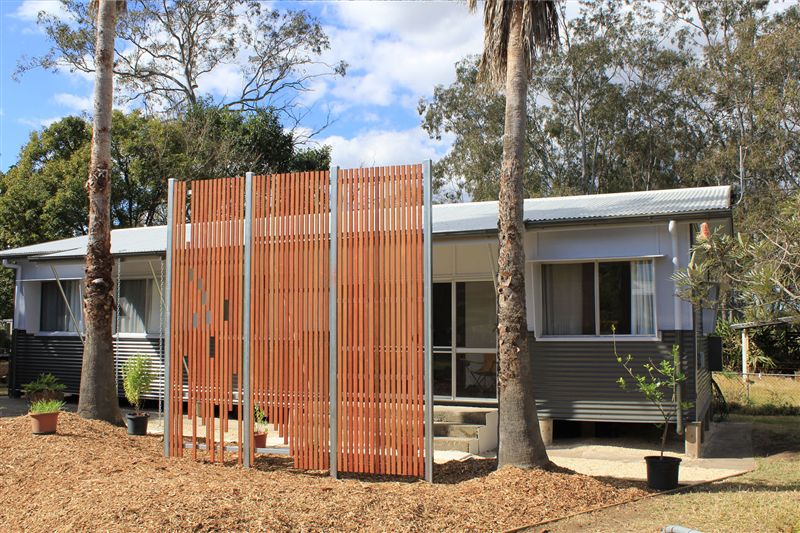
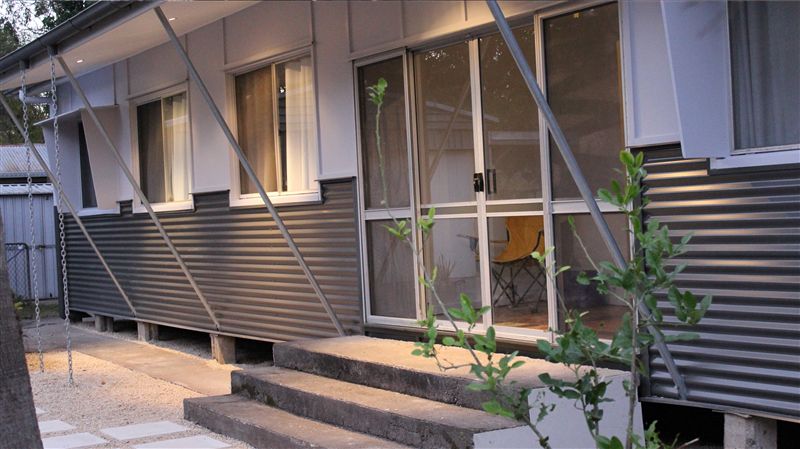
Insulation was installed in the roof and walls, and it was re-clad in a mix of Colorbond Custom Orb and Hardiflex Flat Sheeting and given a new Colorbond Custom Orb roof and gutter.

“The existing house, like a lot of those cottages at the time, were houses without hats; they did not have overhangs or only small overhangs. So we took the opportunity to extend the overhangs to provide insulation and shade,” he said. 

“And we put some fibrous cement awnings over the windows to give them some protection as well.”

A new timber screen adds privacy at the entrance. 

The cost of the external makeover was $44,000 and was completed in 10 days. 

BEFORE

AFTER

Give Sustainable a call NOW on (07) 3201 1177 to talk to your highly awarded experts in sustainable house design and construction and start planning your new sustainable home today!

Latest publication in The Sunday Mail (13th Feb, 2011)

After the floods many of us are questioning how we can stop this destruction happening again? A major flood completely destroys our house and even the landscape it sits on.

Of course, there is little many of us can do to stop Mother Nature in a bad mood! But there are things we can do to prevent complete destruction of the landscape we call home.

[Read more…]

The Sunday Mail: Dream Homes 2009 Article

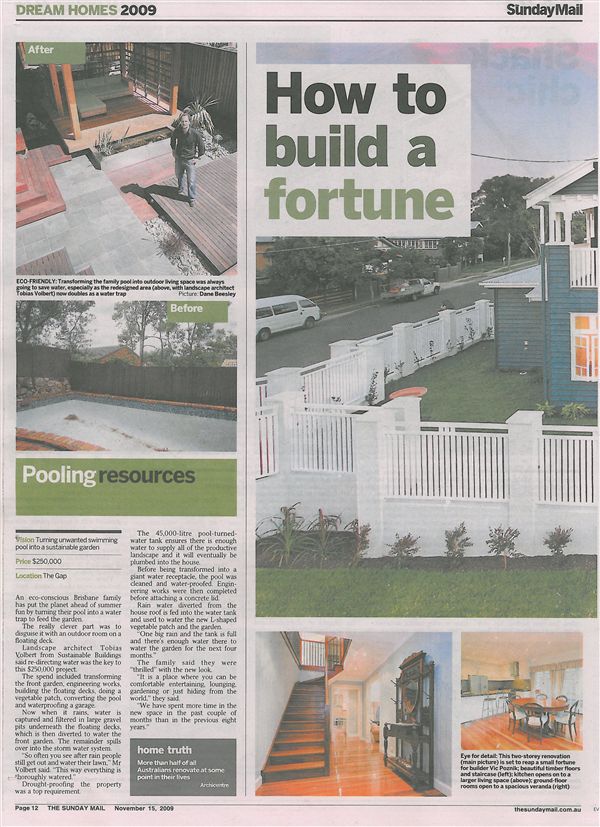
Family home at The Gap [in Brisbane] which featured in the The Sunday Mail Dream Homes 2009 feature.
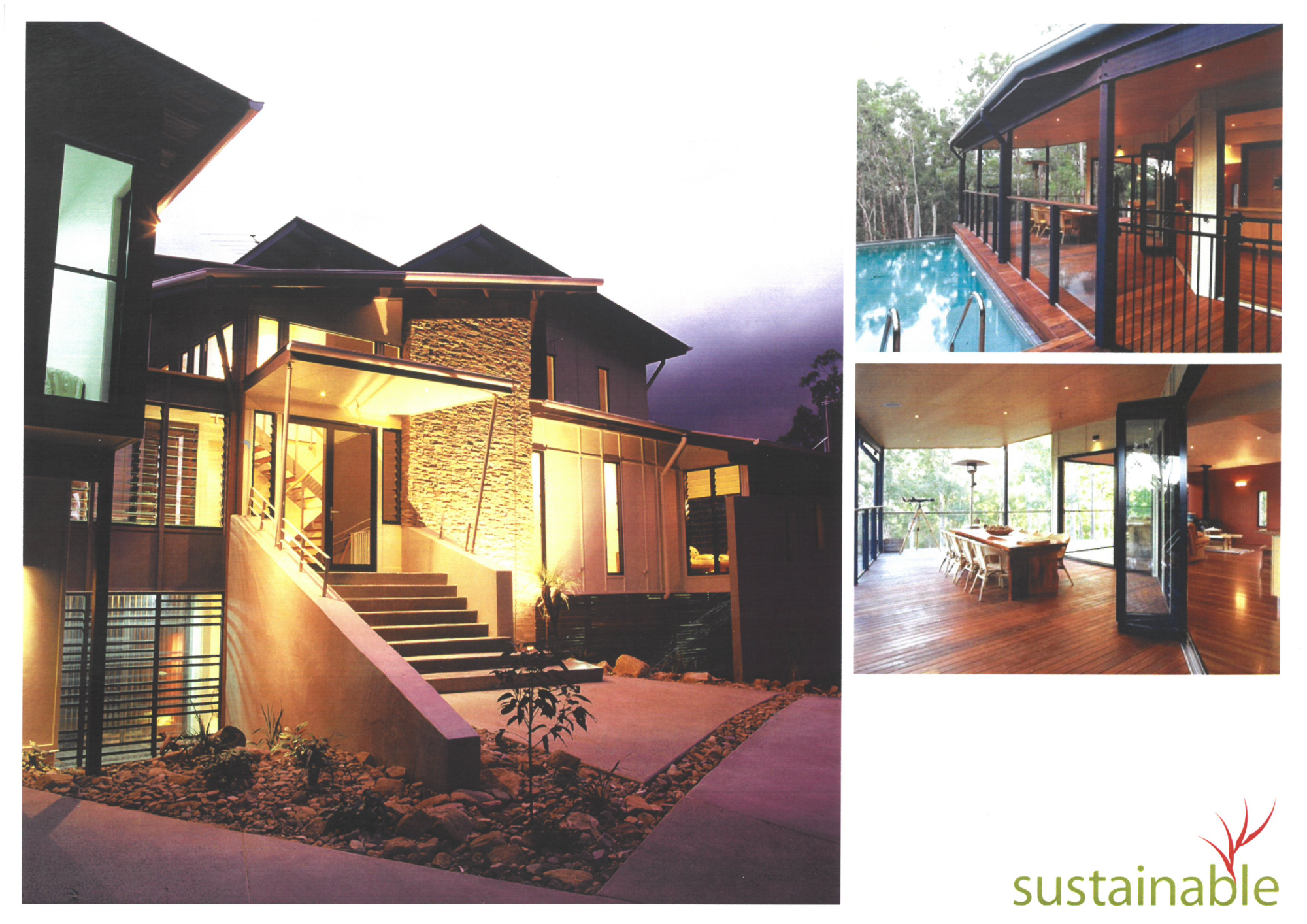
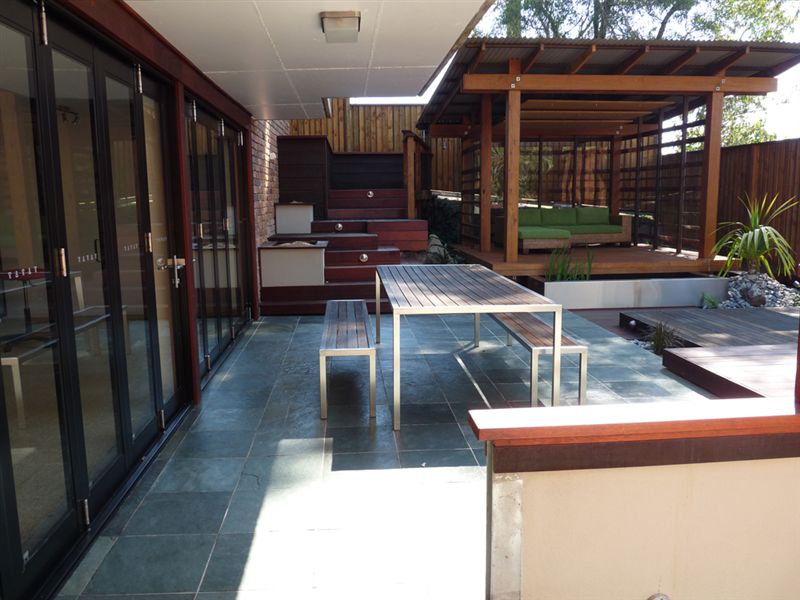
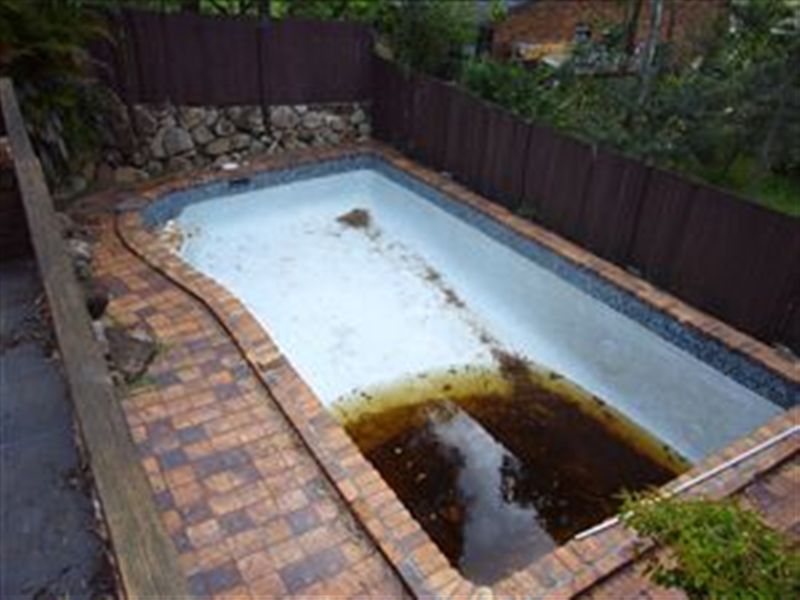
Read about the full transformation of the space, which was occupied with an unwanted pool, and converted into a 45,000L water tank complete with a beautifully landscaped backyard.

Text Translation

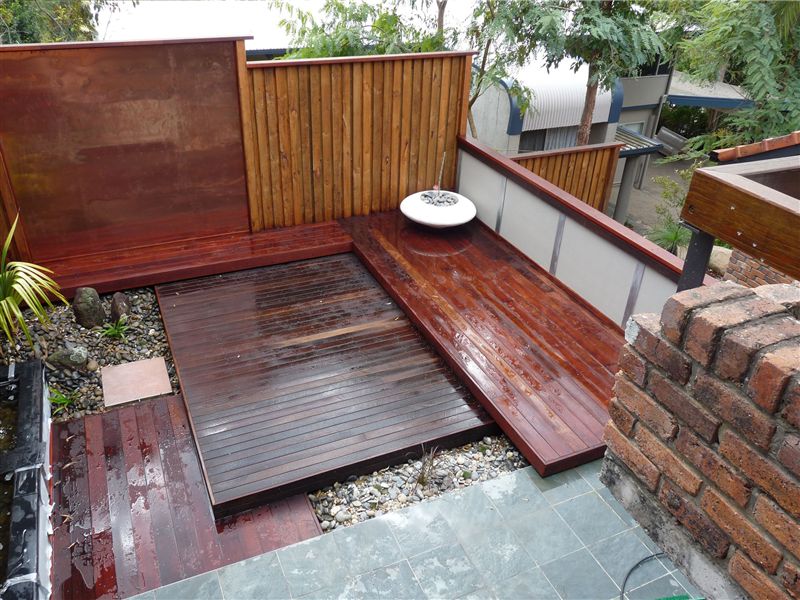
ECO-FRIENDLY: Transforming the family pool into outdoor living space was always going to save water, especially as the redesigned area (above, with landscape architect Tobias Volbert) now doubles as a water trap.

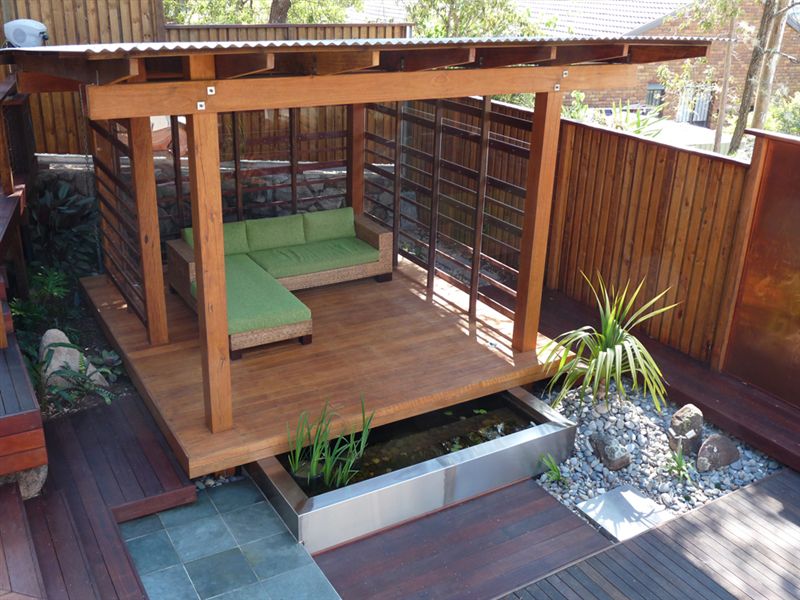
An eco-conscious Brisbane family has put the planet ahead of summer fun by turning their pool into a water trap to feed the garden. The really clever part was to disguise it with an outdoor room on a floating deck. 

Landscape architect Tobias Volbert from Sustainable Buildings said re-directing water was the key to this $250,000 project. 

The spend included transforming the front garden, engineering works, building the floating decks, doing a vegetable patch, converting the pool and waterproofing a garage. 

Now when it rains, water is captured and filtered in large gravel pits underneath the floating decks, which is then diverted to water the front garden. The remainder spills over into the storm water system. 

“So often you see after rain people still get out and water their lawn,” Mr Volbert said. “This way everything is thoroughly watered.”

Drought proofing the property was a requirement.

The 45,000-litre pool-turned-water tank ensures there is enough water to supply all of the productive landscape and it will eventually be plumbed into the house. 

Before being transformed into a giant water receptacle, the pool was cleaned and water-proofed. Engineering works were then completed before attaching a concrete lid. 

Rain water diverted from the house roof is led into the water tank and used to water the new L-shaped vegetable patch and the garden.

“One big rain and the tank is full and there’s enough water there to water the garden for the next four months.”

The family said they were “thrilled” with the new look. 

“It is a place where you can be comfortable entertaining, lounging, gardening, or just hiding from the world,” they said. 

“We have spent more time in the new space in the past couple of months than in the previous eight years.”

AFTER

BEFORE

Give Sustainable a call NOW on (07) 3201 1177 to talk to your highly awarded experts in sustainable home design and construction and start planning your new sustainablehome today!

Yangan Cash & Carry

YANGAN CASH AND CARRY

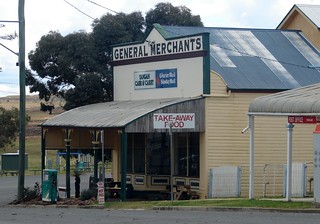
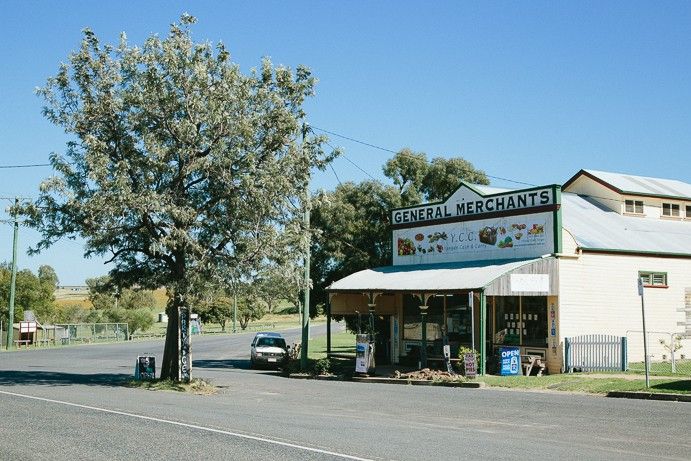
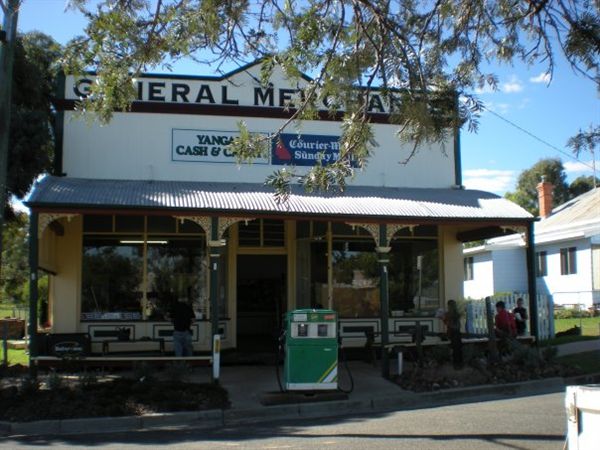
Yangan Cash and Carry (YCC) is a Sustainable commitment which allows the residents of Yangan a place to shop, meet and buy local products. Its sole focus is on the community, encouraging the sale of local produce, offering local delivery to residents and a encouraging sustainability.

Sustainable has injected an enormous amount of capital into the YCC because they believe in the importance of community and providing a meeting venue for the residents to meet, socialise and interact on a daily basis.

Sustainable YCC have been involved in local sponsorship of events including a charity horse ride, which raised much needed funds for the local school at Yangan. Read the full article here.
  • Check out the great things that are happening in the Yangan community here.
  • And stay connected through their group on Facebook.

Brookwater Display House

The Brookwater Design Studio features in the prestige Brookwater development which is located in Brisbane’s leafy western suburbs.

Brookwater has provided to be the ultimate template to display Sustainable’ strengths of adding value to raw, dramatic topography and creating long term net worth through interpretation of sensitive design and Sustainable House Construction.

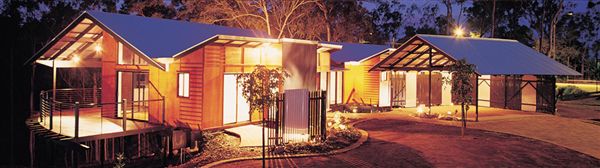
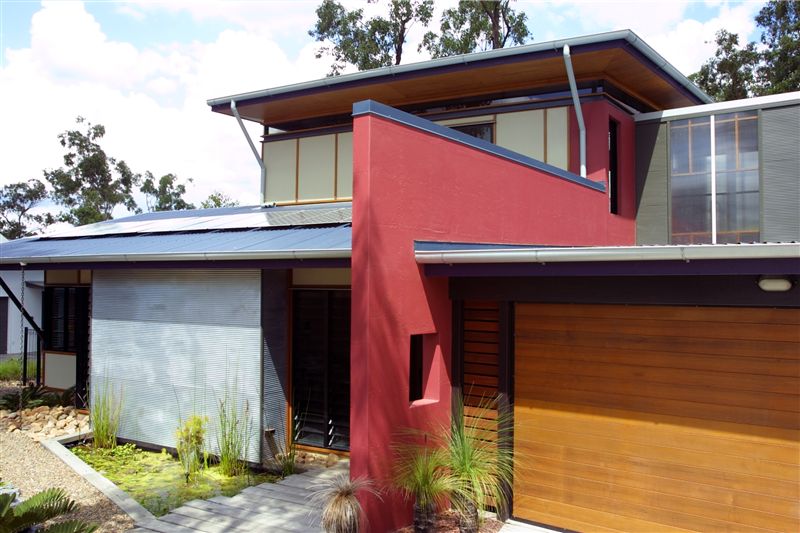
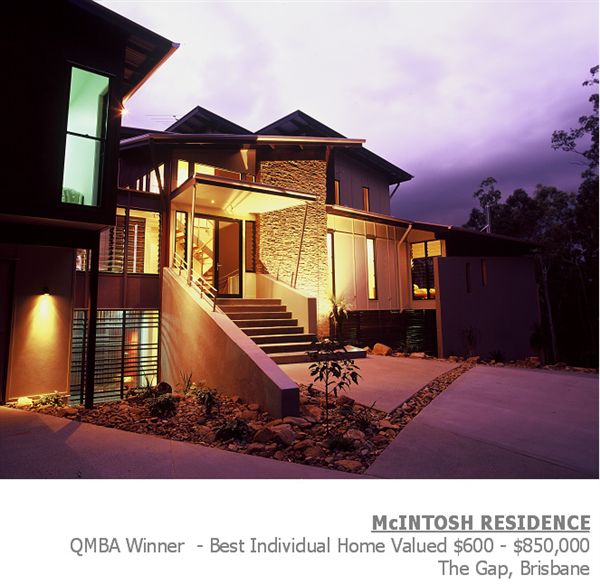
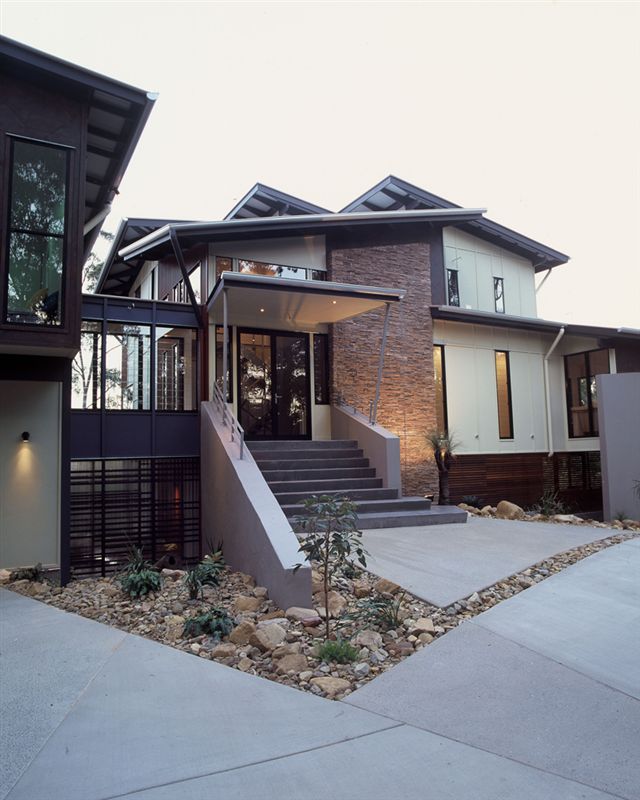
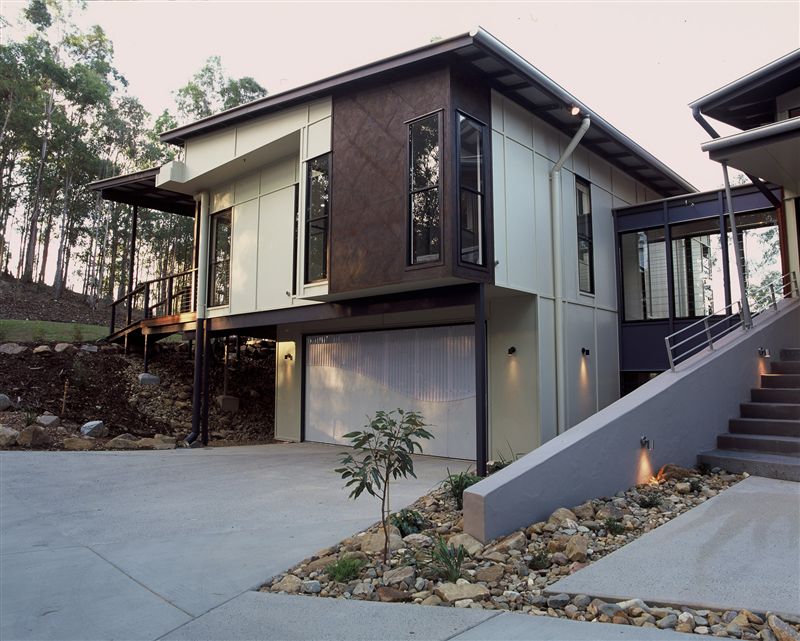
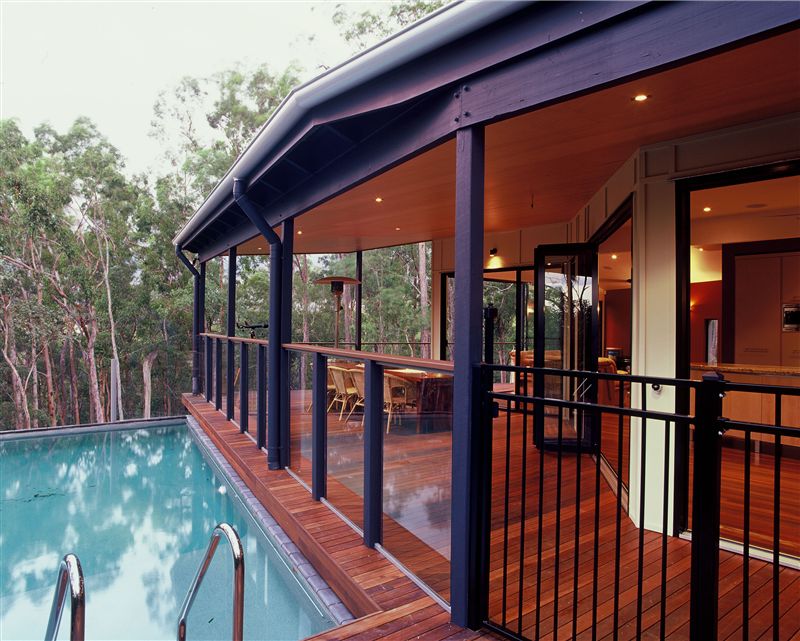
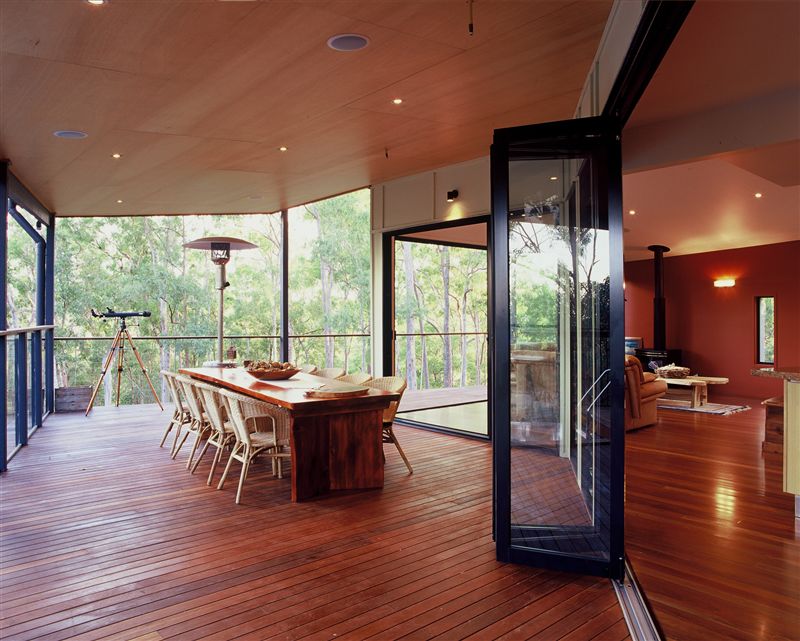
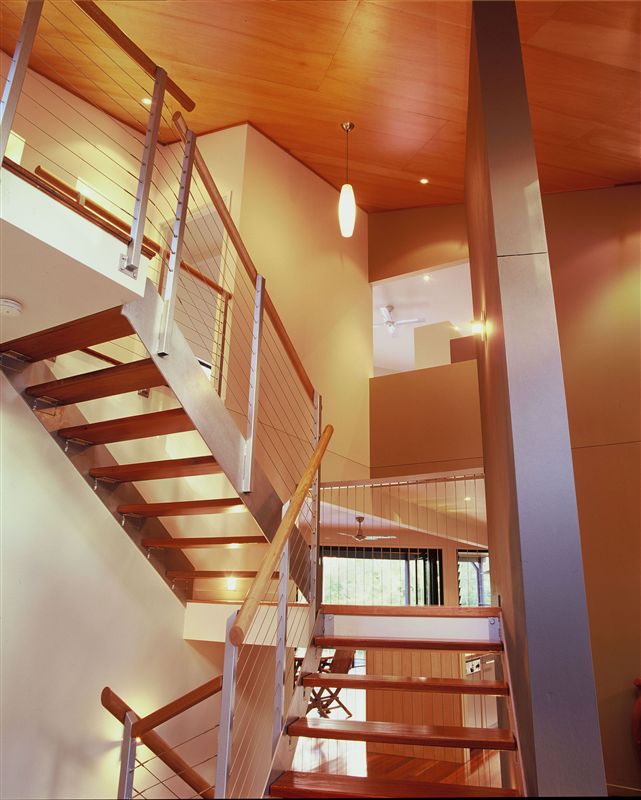
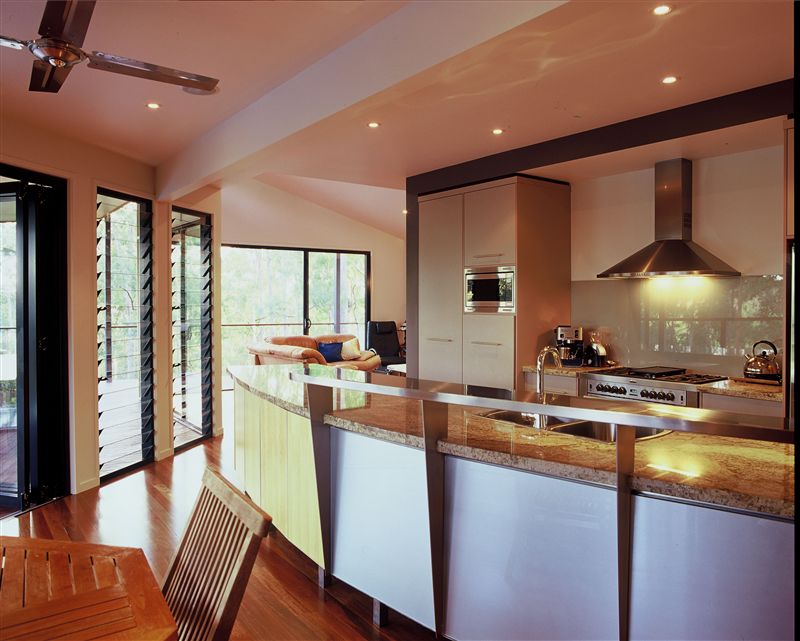
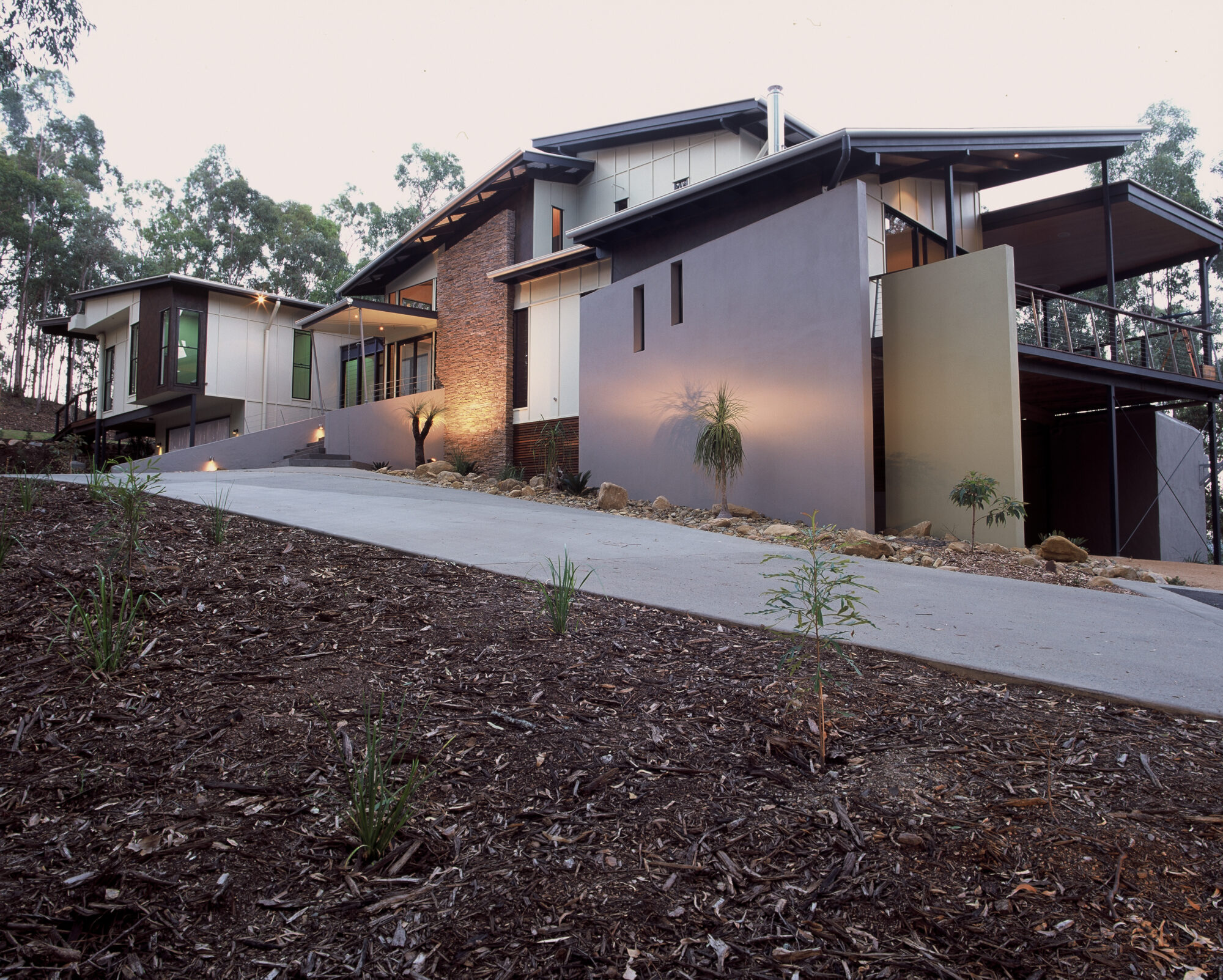
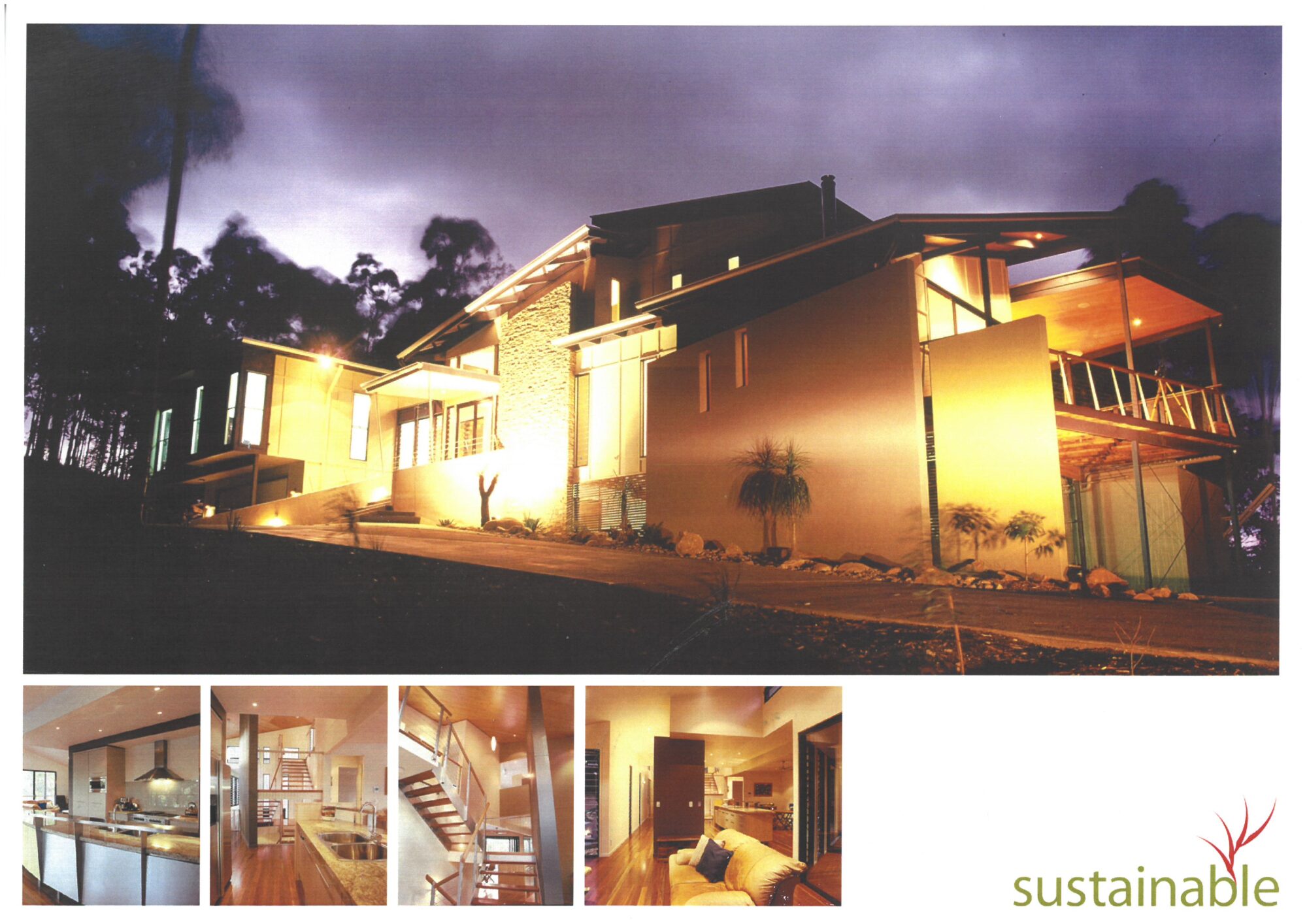
The spectacular site is the inspiration for this striking designer home, with the dramatic slope of the terrain providing the basis for the innovative architectural design. The site also offers passive solar and cooling elements and maximum use is made of these to enhance living conditions while making the residence economical and energy efficient.

A key philosophy in developing this project was to always touch the earth lightly so as to disturb the least amount of soil in cut and fill. The Brookwater Design Studio reflects this by creating an important physical connection to the earth with a masonry blade wall running the length of the building, projecting out in a radius to fully capture the spectacular views and the magnificent nearby golf course.

Sustainable re-used the soil extracted from the foundations within the site to create the least possible disturbance to the surrounding environs. This is further enhanced by home’s feeling of hanging high among the natural forest and merging with the landscape. The stunning effect for visitors and passers-by is that of a home which has grown from its site like a native plant from the earth.

The project was built with the belief that a home should be a monument of individualism, a place of refuge and also a solid family foundation. The Brookwater Design Studio reflects these beliefs through Sustainable House Construction by consisting of as few rooms as possible without becoming one large common room. Family life is centred around the breath-taking living areas with the slumber areas providing a pleasant and restful experience.

The Brookwater Design Studio’s colour schemes are inspired by the local native area and reflect the belief that colour inspiration derived from nature provides the most pleasing and timeless exteriors and interiors. The home bears the Sustainable trademark of being uplifting and comforting – soothing for day-to-day living but consistently inspiring for the people who live within.

The Brookwater Design Studio encapsulates the best that Sustainable has to offer with its innovative sustainable architecture design and strong synergies with nature, particularly the site and the surrounding environment. It highlights to all who visit that a stylish Queensland lifestyle is attainable without diminishing the amazing beauty of our native landscape and environment.

The Brookwater Design Studio is Sustainable biggest award-winning development to date, see all awards here.

2005 QMBA Winner Best Individual Home Valued $600,000-$850,000

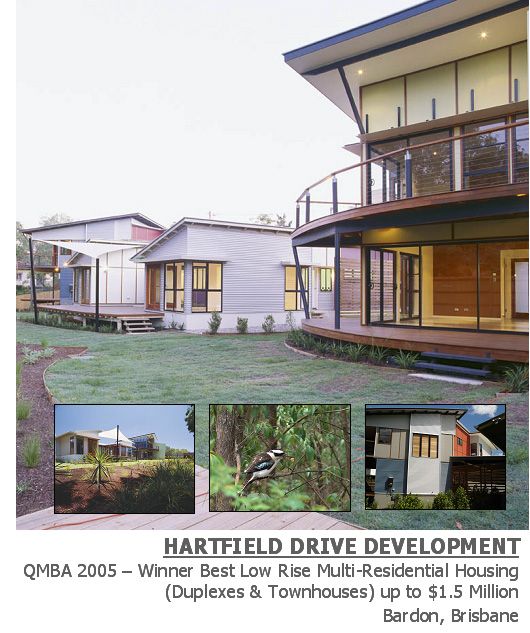
QMBA 2005 Winner Best Low-Rise Multi Residential Housing

img-5

Phone: (07) 3201 1177